
Regenerative spring correspondence
words, relationships, interiority, a future for standards
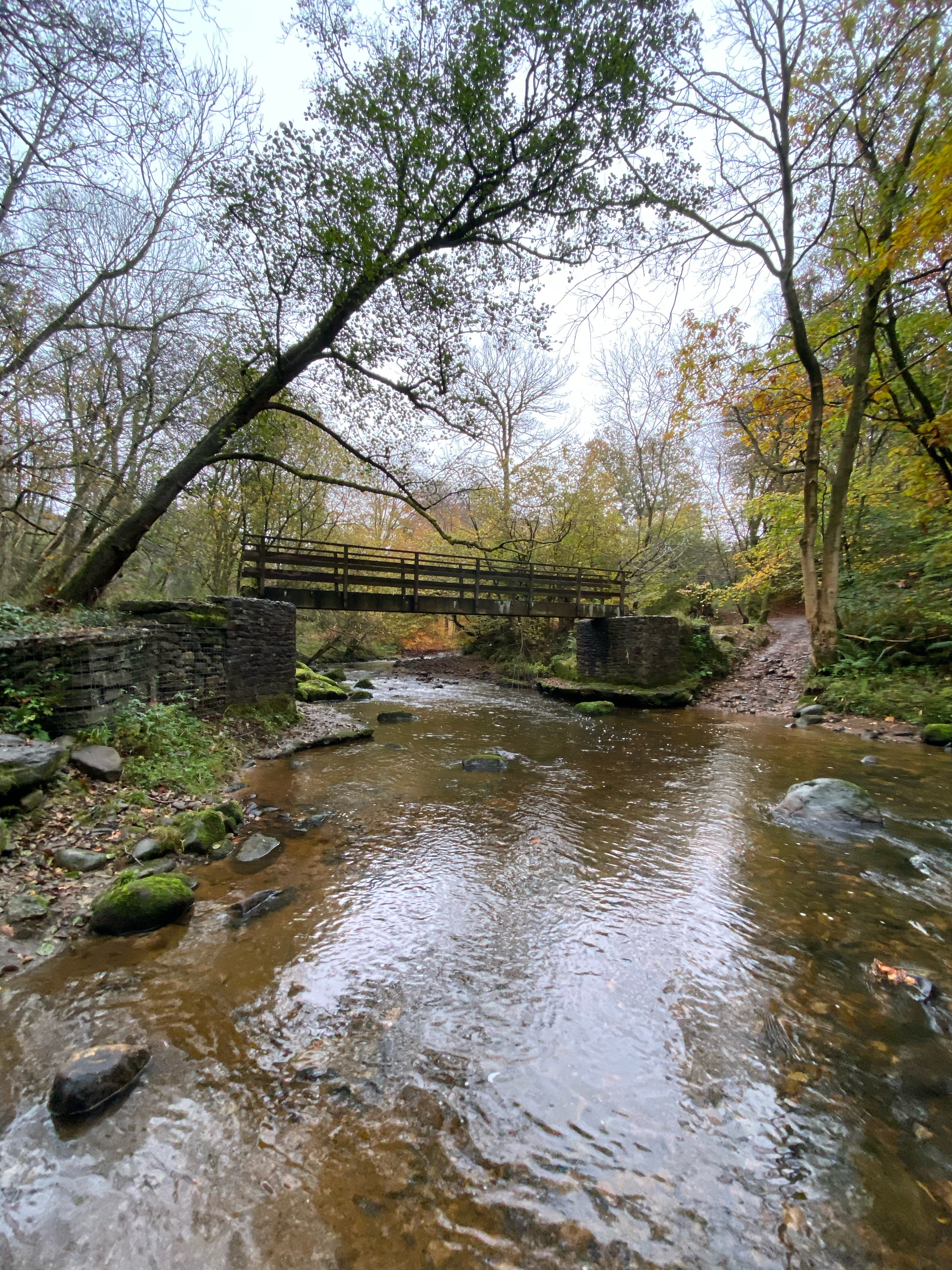
The River Brock is running clear this morning. I noticed it before I could explain why. I’d stopped at the bridge, the quality of the light on the water, the sound somehow lighter than it has been, a dipper was working the far bank with a purposefulness that felt newly urgent. A heron watched, Something had shifted. Not seen, but felt.
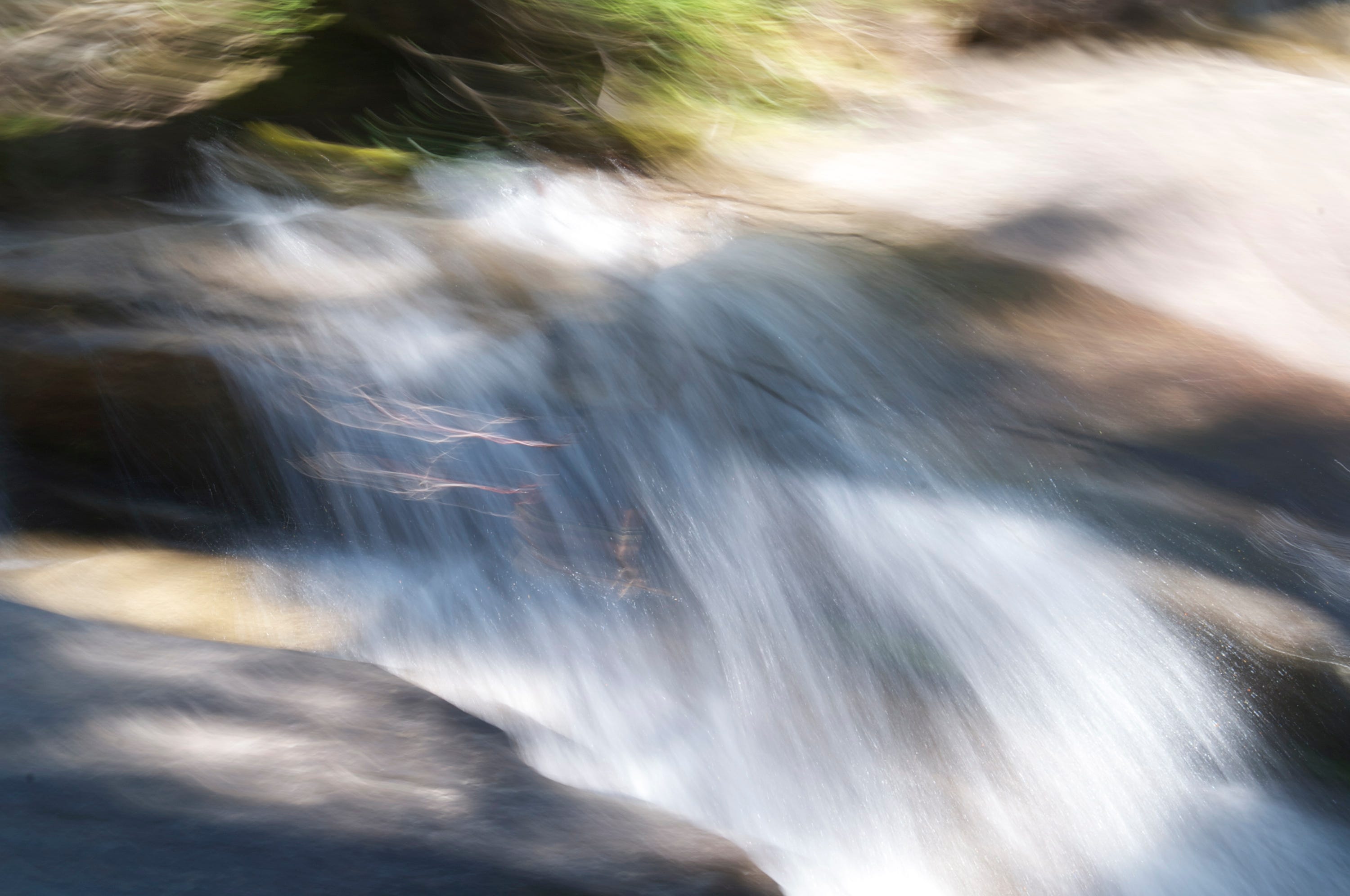
A question doing the rounds on BlueSky this week caught my attention: what single word captures the spring feeling. The particular joy, that sense of a world renewing?
Seen or felt …
Yet before reaching for words, conjure an image. Can you recall the first particular thing that told you spring had arrived this year? A snowdrop. A bud. A warmth in the sun. A change in the air you noticed before you could name it. The light on a river feeling lighter than previous?
In reading, searching and researching a word emerged - or rather a different use of and definition of a word I was not familiar with.
‘Correspondence’
The usual meaning is of course the exchange of letters between people. Yet through a Romantic lens, ‘correspondent’ became something bigger as the place where the outer world and our inner life align, or rather where they re-discover an alignment,
Wordsworth spoke of spots of time, the felt moments in landscape that sit permanently somewhere in the soul. Of the gentle shock of mild surprise. Of experiencing the sublime not as spectacle but as something that happens within.
Spring joy, in this Romantic lens, is not simply our response to spring. It is spring happening within us simultaneously, athe same quickening, same loosening, same feeling of light. Not as a reaction but as something resonating.
Correspondent hemispheres
McGilchrist’s hemisphere theory offers a way of understanding why this matters. The left hemisphere sees, categorises, names, holds the world at a measured distance. The right hemisphere feels, participates, resonates, corresponds. In a McGilchrist sense, spring is the world received again as a memory, a presence, not as information.
Correspondence, then, is a mode of knowing. Spring joy is not merely emotional. It is a different way of being in contact with the world.
What Gaelic knew / knows
Exploring Gaelic offers something the Romantic tradition reached for but doesn’t quite hold. The word dàimh, a kinship, relationship, affinity, connection between things of the same nature, Used for family bonds, but equally for the bond between a person and their place. It implies a pre-existing relatedness, not a constructed one. You don’t make dàimh. You re-discover it.
The Gaelic self, in origin, was porous, it was and is, distributed between person and place. The interior was not a sealed but an alignment. In this frame, spring doesn’t create the connection, it reveals what was always there.
Albrecht’s naming
Glenn Albrecht’s Earth Emotions vocabulary is important. Eutierria, a profound felt sense of oneness with the living world , names the experience the Romantics were reaching for in prose, and the Gaelic speakers were living. His vision of the Symbiocene, an era of human-nature reciprocity emerging from the Anthropocene, is spring on a larger scale, a mind seasonal change. Soliphilia, love of and responsibility for place, renewed annually.
New language is being made for an old felt experience.
We are not the first to feel this.
But we may be the first to have lost it badly enough to need renaming it.
Interiority
Correspondence requires interiority to work. Without an inner life capable of being moved, there is nothing for the outer world to resonate with. The two are structurally dependent. Interiority is the depth to which correspondence is felt; correspondence is what activates that depth from outside.
Which raises a serious question. Modern life and increasingly our digital lives, depletes that depth. It numbs the interior. Leaves us capable only of seeing spring rather than feeling it.
Coleridge named this failure with devastating precision in Dejection: An Ode:
I see, not feel, how beautiful they are.
This is where correspondence is broken. And in breaking, it shows us by contrast what full correspondence feels like. Spring joy at its deepest is the restoration of feeling after a long season of only seeing.
The regenerative question
Beyond the seasonal spring ... I have long felt uneasy with expressions as what good looks like or this is what regenerative could look like, its a passive, disengaged framing I have raised here before. Modern sustainability standards of spreadsheets and trackers, requirements and imperatives have left us capable only of seeing rather than feeling sustainability.
And there is something deeper missing: the absent interiority of regenerative standards themselves.
Consider how almost any built environment standard assessment works. It categorises, measures, scores, certifies. It is a supremely left-hemisphere instrument. It can tell you the reduced embodied carbon of a wall assembly, the percentage of responsibly sourced timber, the daylight factor in a classroom. What it cannot do, maybe not even designed to do, is ask whether those who made the building, or who inhabit it, felt themselves to be in a right relationship with the living world and the place where the building lives?
This is not a failure of rigour. It is a failure of interiority. Without the inner life of the designer, contractor, assessor, inhabitant being moved, there is nothing for the outer regenerative world to resonate with. The standard may be met but correspondence never happens. The box is ticked but the frequency is never found.
This is where I foresee future standards - not as standards in the current sense at all. They will be value-based, held as regenerative commons, expressed as living taxonomies grown from commitment, values and relationships, rather than compliance. Not points to bargain across disciplines or imperatives to follow but orientations, as ways of being in relationship with place, material, and the living systems that make any building possible. (See FutuREstorative)
Spring Regenerative ...
Outer and inner in correspondence.
Not as a certification but as a mode of knowing.
Spring, in this sense, is not just a seasonal metaphor.
As land does not comply with spring. It corresponds with it.
As buildings should not just comply but correspond with living systems
The heron was at the crossing again as I cycled back over the Brock, in dàimh with the water, as it always was, as it was before the first standard was written and will be long after the last one is processed.
Spring joy is what happens when interiority and world discover their correspondence, when the inner life, dormant through winter, finds the outer life has been waiting at exactly the same frequency.
Regenerative is what happens when correspondence is recovered in our working lives. When our inner self, long numbed by decades of sustainability-as-compliance, steps outside one morning, notices the Brock running clear, and feels, before it can think, that something has shifted.
Not seen.
Felt.
Where and how do you feel the correspondence of inner and outer?
If there is something here or in other Regen/Notes that resonates with you and you would like to discuss further please do reach out.