
Regenerative as story
Alongside data ... metaphor, story, poetry.
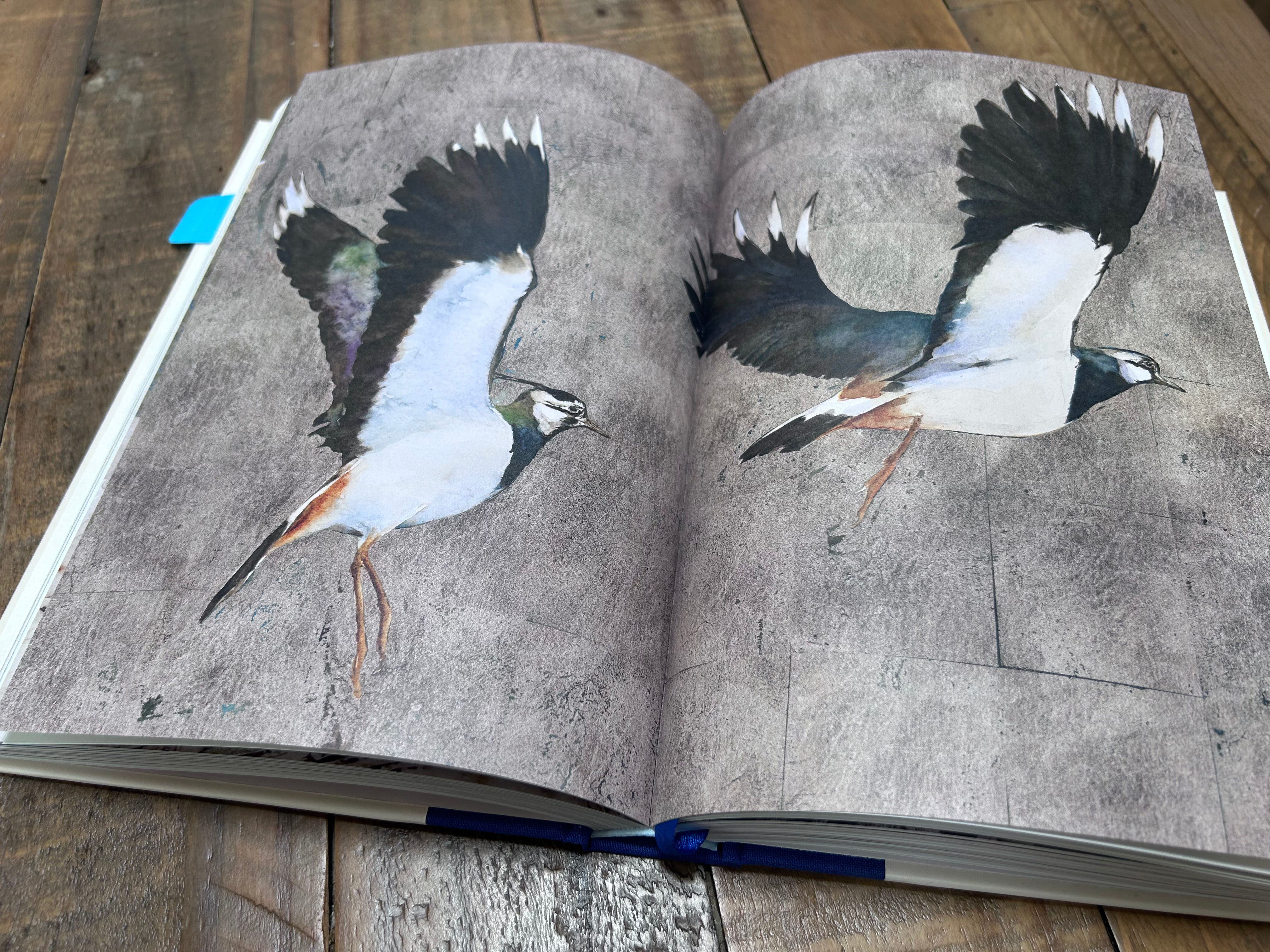
Just dived into The Book of Birds - a seven-year work of love from Jackie Morris and Robert Macfarlane. A bird guide book to be read as story with stunning watercolour artwork.
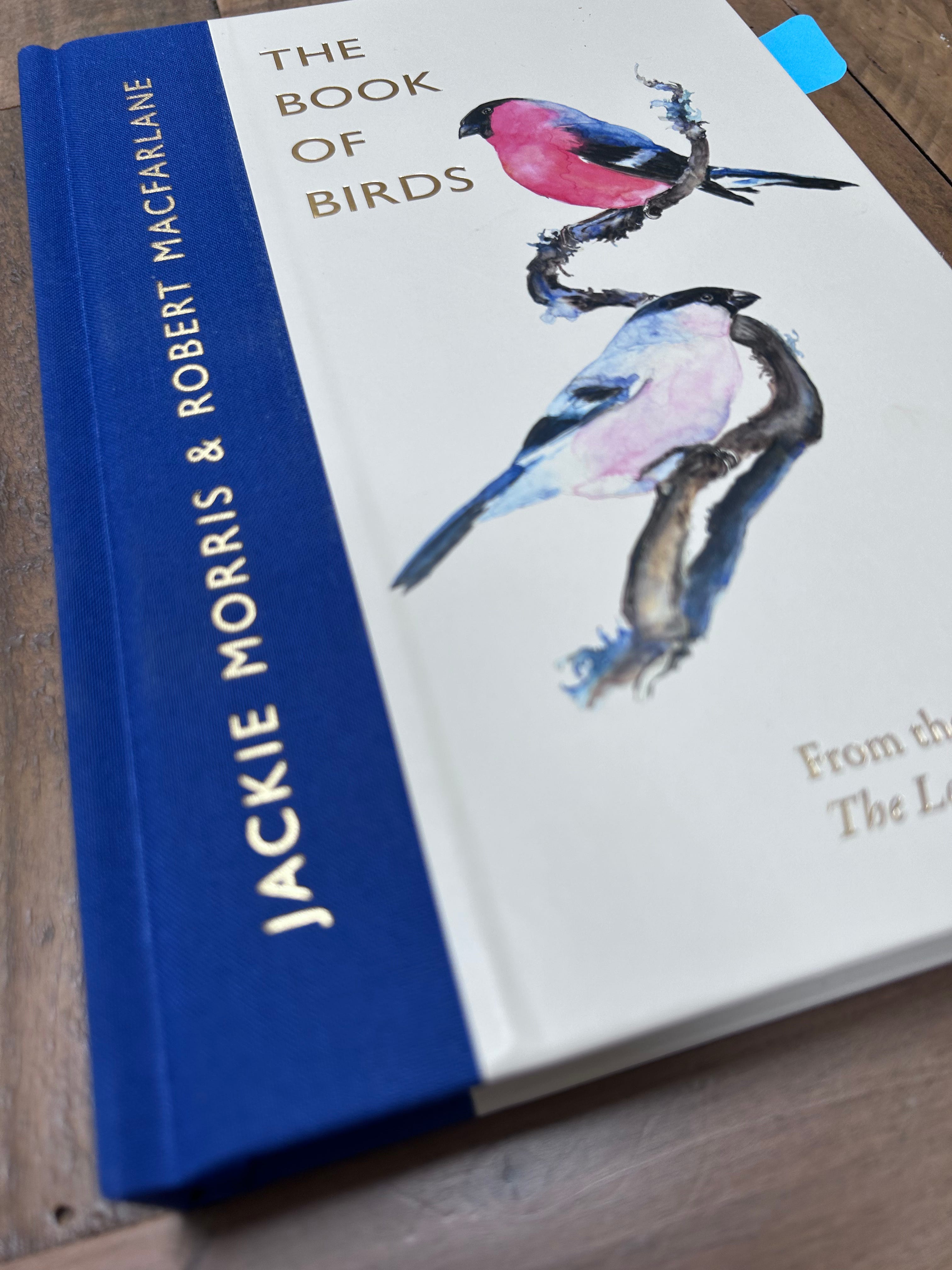
Text from the introduction leapt out at me
Ours is a field guide with a difference, though. It asks not “What is that bird?”, but ‘Who is that bird?’ It wishes to help its readers to identify birds, of course, but also to identify with them.
Instead of photographs - paint.
Alongside data - metaphor, story, poetry.
In place of definition - relation.
As well as classification - something like love.
Having presented recently on a regenerative commons taxonomy, not necessary as new standard or guidance , but more as conversational direction for regenerative ‘classification’ with a difference, this so resonated …
Taxonomy
Reflecting on recent Zoom Regenerative’s there is a tension here - the word taxonomy carries a heavy left-hemisphere weight. (Linnaeus, hierarchies, categories, classifications things pinned and labelled). But taxonomy at its root (taxis — arrangement, nomos — law or custom) is closer to the way things relate and belong than to the way things are sorted and filed
So a regenerative taxonomy, here, is less a classification and more a correspondence, a way of holding relationship between ideas, actions, and living systems in a form that can be shared, tended, and passed on.
How inspiring would it be if our standards, playbooks, guides, and taxonomies (pulling on Robert Macfarlane’s words) …
as a field guide,
asks not “What is regenerative?” but ‘Who is this place?’
Instead of case studies has (paint) illustrations
Alongside data has metaphor, story, poetry.
In place of definition has relationships
As well as classification is something like love.
Reading:
This! To intertwine the scientific with the artistic is to give it a new level of depth, understanding, relatability.